On Complex Anachronies and Defied Anticipations in The Swimmer

I argue that the narrator’s most valuable contribution is his selectivity of events and descriptive vocabularies in the two contrasting halves of the story. Such selectivity captures the nostalgic psychology of the drunk focaliser and keeps defying my expectations in the second half of the narrative. It also forces me to construct a different chronological order of events and modify my understanding of the narrative.

God’s Own Country (2017): An Earnest, Affecting Depiction of Humanity

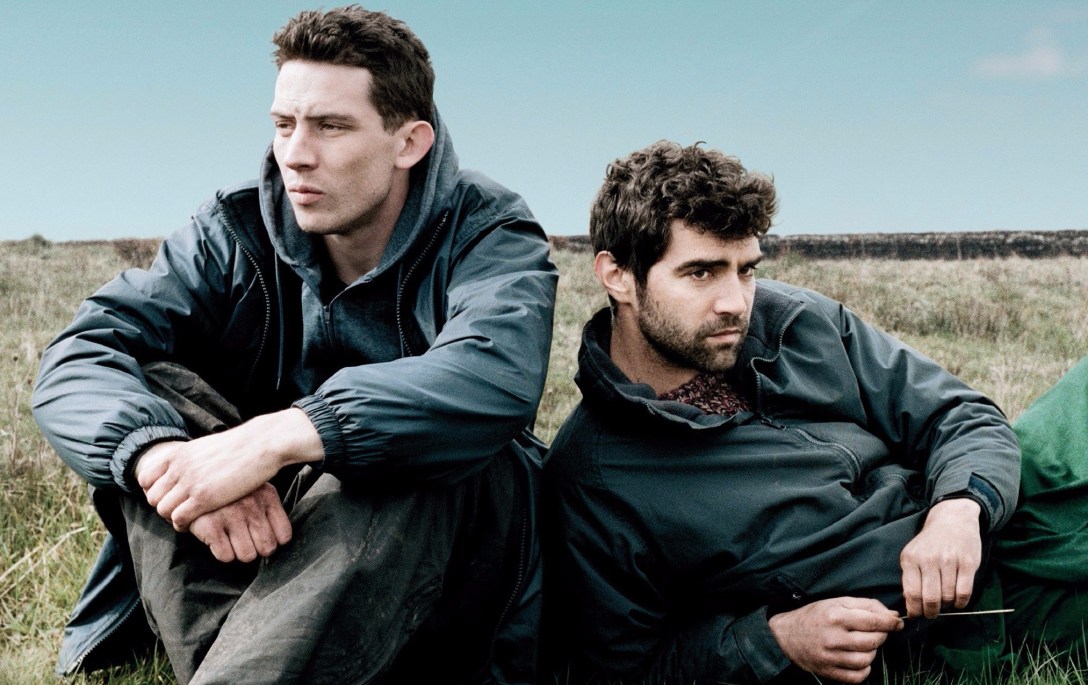
The 2017 British independent film God's Own Country is about the Yorkshire countryside, two homosexual men, plenty of sheep and a sense of nostalgia. Filled with the ambition of timelessness, the story, or a dreamy fairytale, does not happen in a specified time. Characters speak with a strong regional accent, and I struggle to catch every word. But that turns out to be a minor concern: the film does not demand its audience to catch every word; instead, it invites them for a visually intimate experience with two blessed young men falling in love, alongside an earnest, affecting depiction of humanity.

Cultural Exchange and Cultural Surrendering

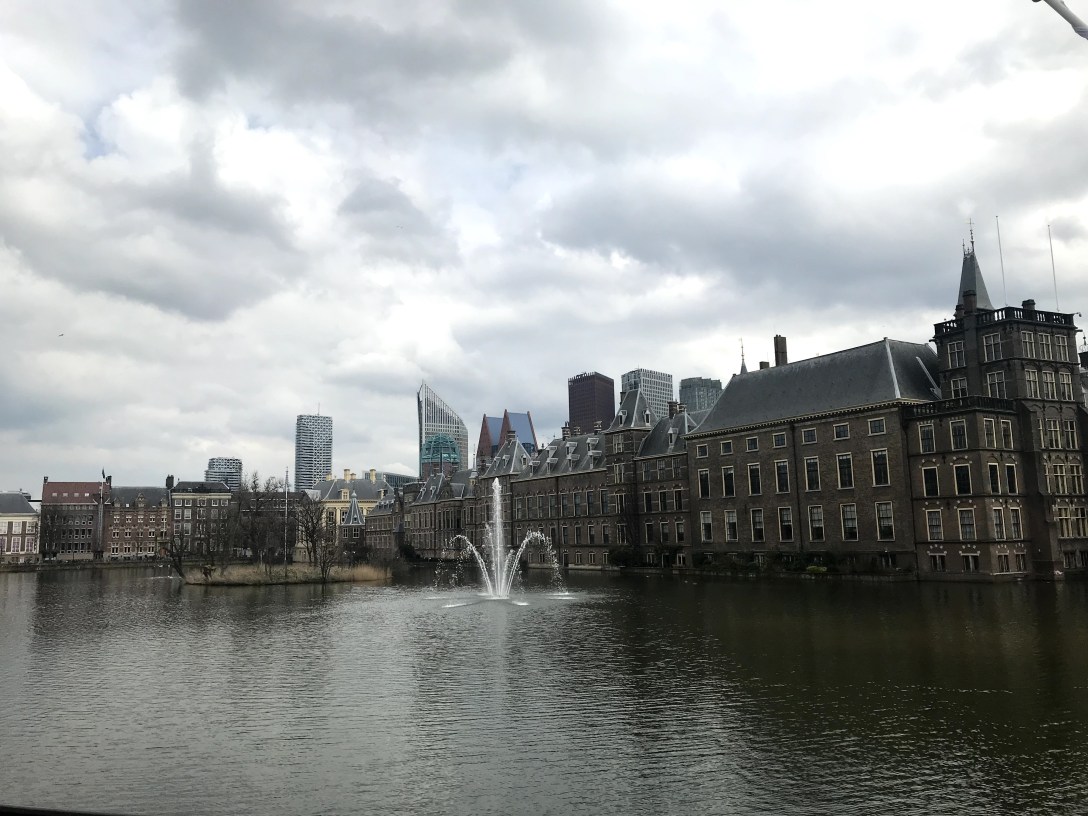
When I was asked why I wanted to go to The Netherlands for a semester, I quickly considered cultural exchange as an important reason. I fantisiced making new friends from different countries and learning their perspectives. I was excited about the idea of visiting Paris, the cultural centre of Europe, and reading philosophical texts from the continental tradition. My plans have been well executed so far, although I would rather re-consider whether cultural exchange is an accurate term decribing my semester abroad, or in general my experience of studying abroad away from my Chinese home.

Our Lives Are Still Our Own: A Nietzschean Reading of Cloud Atlas

I explore how the narrative structure of Cloud Atlas helps to demonstrate Friedrich Nietzsche’s arguments about the death of God and eternal recurrence. Moreover, I consider how the film, inspired by the Buddhist concept of karma, challenges Nietzsche’s individualistic solution to nihilism and how Nietzsche may respond to the challenge.

The Importance of Cultural Context and The Cultural Significance of Texts

In this essay, I consider how New Criticism and Russian Formalism challenge Schleiermacher’s pioneering insight on the importance of context. I argue that neither of the two schools is persuasive enough for me to overlook Schleiermacher’s emphasis on the cultural context of literature.

The Myth of Infinity: Does Platonism Pave the Stairs to God?

This paper explores the idea of infinity as both a mathematical concept and a metaphysical concept while seeking unity between the two aspects of infinity under Platonist realism. While addressing relevant substitutes of the classical Platonist view of infinity and considering the contemporary revival of Platonism argued by Kurt Gödel alongside recent developments in Mathematical Logic pioneered by Georg Cantor, this paper rationalises the enduring charm of Platonist realism and argues for its unrivalled elegance in explaining the concept of infinity.

The Tree of Life (2011): Where are You? How Can I Endure This Frail Existence?

10/10 Every great story is a stroy of pain, and The Tree of Life is no exception. It is a story of unbearable and chronic discomfort: the pain of life, growth and death, or to put them together, the pain of mortal existence. It is difficult to reivew this movie in one short blog post, but I think it is worth a try, for the movie deals with the most fundamental pain of human existence, or should I say the worst kind of pain among all.