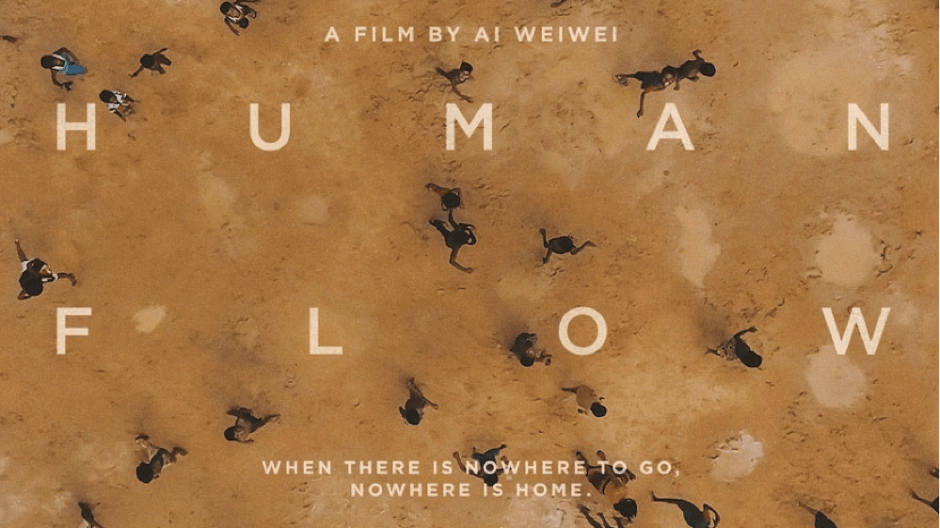
Camera and Moral Imagination

Documentary is equally guilty of manipulating reality and privileging certain images, opinions and narratives over others. Still, documentary is often associated with its moral language. The audience of a documentary (rather than, for example, a fictional horror) are more likely to feel compelled to act in a certain way and to ethically respond to a situation. How can one reconcile the implicit manipulation of reality and the strong moral imperative that seem to coexist in a documentary?

Westworld Season 1 (2016): Lies That Tell a Deeper Truth

“Artists use lies to tell the truth while politicians use lies to cover the truth up". Widely regarded as one of the most anticipated TV series of 2016, Westworld is inspired by the 1973 movie of the same name which narrates a story in the distant future when human beings are able to stimulate human minds (or consciousness?) for entertainment, or the pleasure of torture and killing. Boosted by stunning visual effects, an ambitious storyline and strong performances, HBO's Westworld greets the world with critical acclaim, scholarly debates and record-breaking ratings.

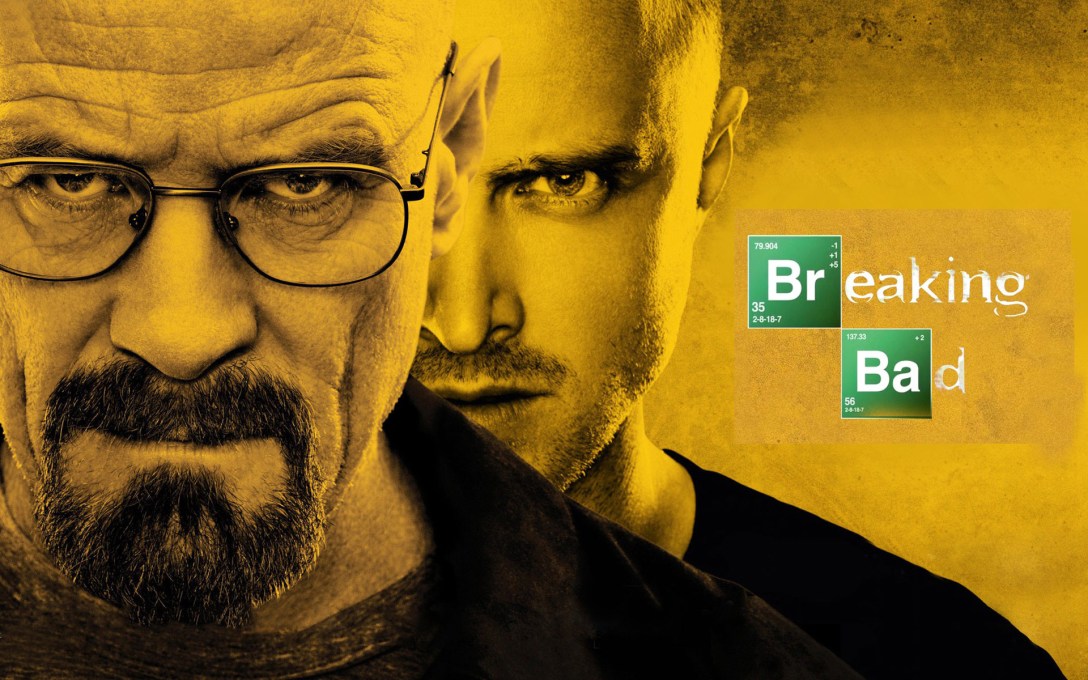
Breaking Bad (2008-2013): Making Choices and Living with Consequences

"Expertly written, virtuosic with its direction, and flawlessly performed, Breaking Bad is everything you could want in a drama. Critics will spend the next decade dissecting and arguing about what made it great, but the reasons are endless and already well documented." - Nick Harley Season 1: 7.5/10 Season 2: 8.0/10 Season 3: 9.0/10 Season 4-5(Part I):… Continue reading Breaking Bad (2008-2013): Making Choices and Living with Consequences