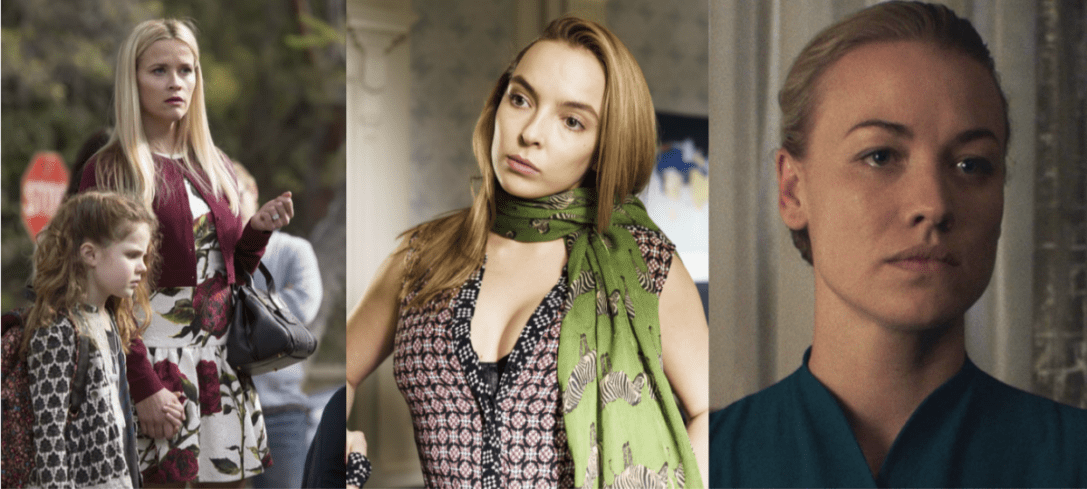
Feminism has never been more voguish on TV. Many recent shows, including The Handmaid's Tale, The Good Fight, Big Little Lies and Killing Eve, to just name a few, have acquired commercial and critical success. HBO blockbusters like Game of Thrones and Westworld have both featured powerful female protagonists with varying degrees of awkwardness. I have watched all these shows, and they are peculiarly similar. They are all inherently commercial productions to begin with, and they all depict women who fit into the public imagination of feminism: the sort of women who are rebellious, manipulative and capable of shooting a gun unlike those James Bond girls in the good old days. There is something unsettling about this, and I am afraid that we are moving in the wrong direction despite unprecedented media attention given to women.
Category: Archive
Between My World and Me
Donโt get me wrong. This is not a post seeking the most neutral, most inoffensive description of whatโs happening in Hong Kong. I am by no means qualified to do that. I have never been to Hong Kong, nor have I or my family directly benefitted from its special political and economic status. As you might have noticed, I do not like to offend others, especially on such a divided issue with both sides feeling so strongly. But to me, this is not a matter of seeking the most apolitical description; the most apolitical description is itself a political statement. This is an issue of personal matter and sentiment. This is an issue between my world and me.
Protected: Joy in the Post-Enlightenment Era: Abrahamโs Faith and Zarathustraโs Eternal Acceptance
ใๅฆ็ซไผ ใ๏ผ็ฉบๆตทๆพๅฏป็ๆ ไธๅฏ๏ผๅฐๅบๆฏไปไน๏ผ
ๅจ็ไบใๅฆ็ซไผ ใไธค้ไนๅ๏ผๆ่งๅพ่ฟ้จ่ง่งๅไธฝ็็ตๅฝฑ็ธๅฝๅฎๆด๏ผๆฏไธ้จๅคนๅธฆ็่็ไบบๅฃ็ๅๅฒไบไปถ๏ผๅๅ ไธไธๅฎ็ๆตชๆผซๆณ่ฑก๏ผๅนถๅจๅ ๅฎนไธๆๆทฑๆ็็ตๅฝฑ๏ผๅฏนใ้ฟๆจๆญใ่ฟ้ฆ็ปๅ ธไนๆฐๆทปๆฐ็่ง่งฃใๅฐฝ็ฎก่ฟๆ ท๏ผ่ฟ้จ็ตๅฝฑ่ฏดไธไธๆฏๅจๆญ้ฒ๏ผๆ่ ่ฏดๆนๅค๏ผๆดๅค็ๆฏ็ป่งไผๆไพไธ็ง็ฒพ็ฅๅฎๆ ฐ๏ผไธ็งๅป้ขๅฏน็ฐๅฎ็ๆๅบฆใ
What is Lana Del Ray Hopeful of?
The closing song on Lana Del Ray's most recent album, Norman Fucking Rockwell, is titled Hope is a dangerous thing for a woman like me to have - but I have. At first glance, it seems too long a title, but in fact, not a single word can be taken out from it. In the minimalist production, Del Ray sings about being a modern American woman with (what she calls) a weak Constitution, reading a suicidal female poet, crying in a church basement and how her audience are perceiving her. It surveys a wide range of emotions and sensations beyond just melancholy and solitude that are featured in most of her old songs. At the end of her most recent and mature album, she concludes with a surprisingly weighty remark with much confession to make and much imagination to inspire.
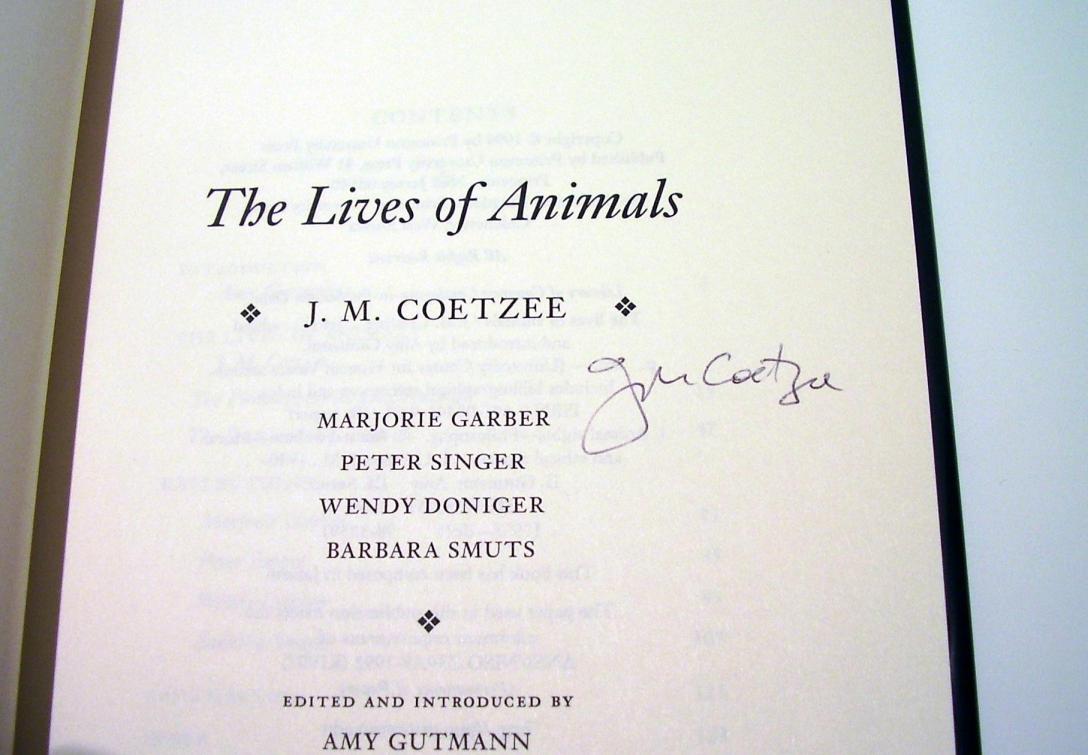
Lives of Animals, by J.M. Coetzee
In J.M. Coetzeeโs lectures on animal ethics, the moral debate quickly evolves into a metaphysical one. Instead of limiting her discussion to whether it is ethical to kill animals, Elizabeth Costello, the protagonist in Coetzeeโs fiction, challenges the status of reason and its moral significance. In Peter Singerโs response to Coetzeeโs lectures, Peter, the fictional… Continue reading Lives of Animals, by J.M. Coetzee
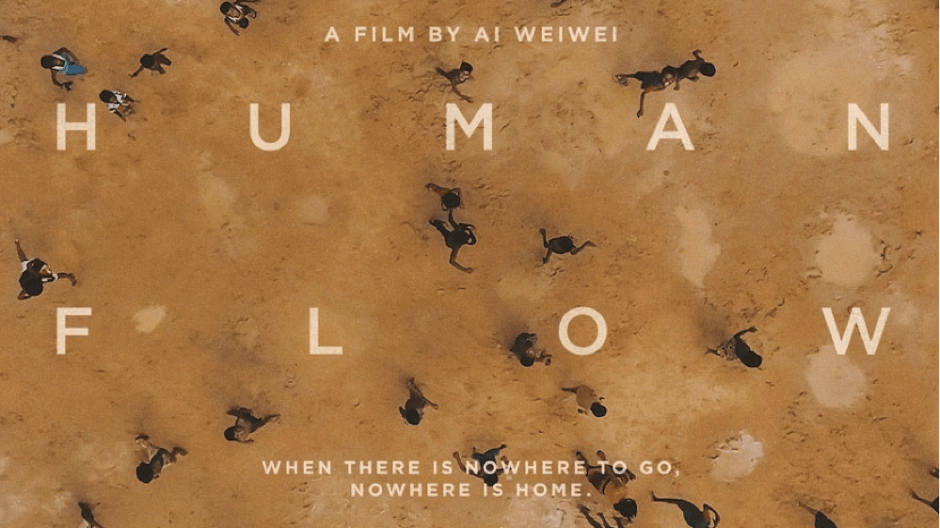
Camera and Moral Imagination
Documentary is equally guilty of manipulating reality and privileging certain images, opinions and narratives over others. Still, documentary is often associated with its moral language. The audience of a documentary (rather than, for example, a fictional horror) are more likely to feel compelled to act in a certain way and to ethically respond to a situation. How can one reconcile the implicit manipulation of reality and the strong moral imperative that seem to coexist in a documentary?
“White Left” and Surging Chinese Nationalism
It is certainly not easy to be white nowadays. On the Chinese version of the World Wide Web, โWhite Leftโ is a term loosely referring to white people who hold left-wing political views. The phrase has acquired negative popularity on various Chinese social media such as Weibo and Zhihu, the Chinese equivalence of Twitter and Quora, since the European refugee crisis and the latest US election. Why do Chinese netizens hate left-wing politics so much? And in particular, why do they target at white people?
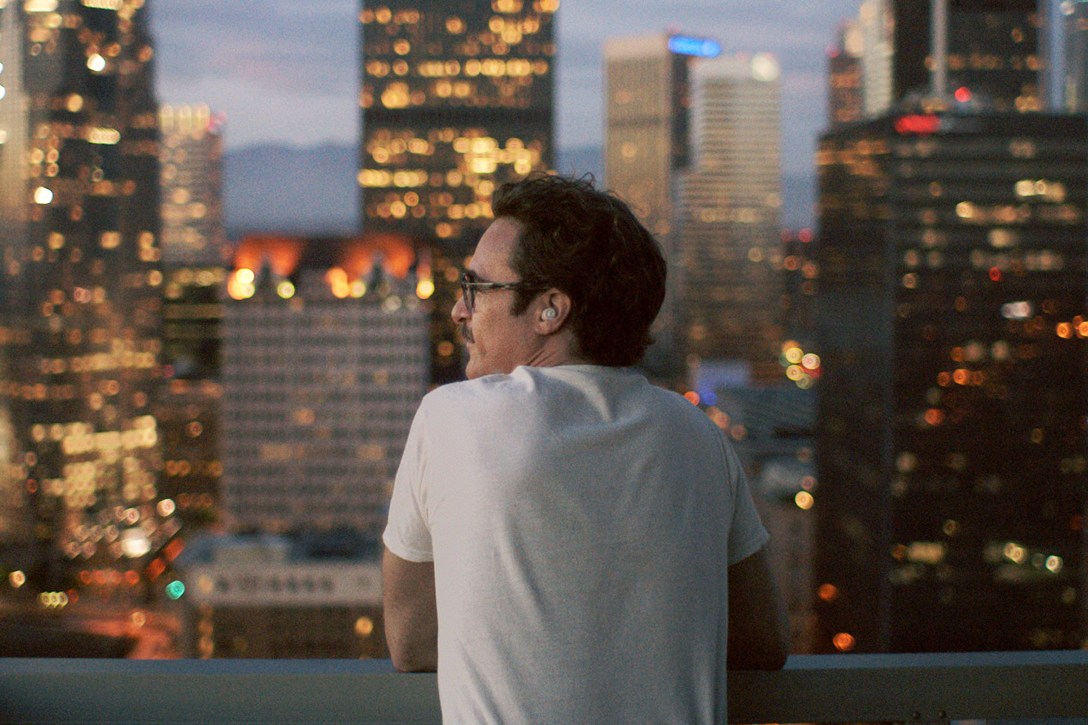
Feeling 4.0: Redefined Intimacy in the Fourth Industrial Revolution
On the whole, Her is a sharp, witty film depicting modern human relationship and what we have become without realising. It is as realistic as it is speculative. While in the past semester I have been mostly studying the economic and technical aspects of the fourth industrial revolution, I want to reflect on something personal in this essay. I want to reflect on how the fourth industrial revolution may change interpersonal relationships and how one perceives reality, love and intimacy. Like the film, my reflection can be speculative at times and make certain assumptions, and I do not claim that this reflection accurately predicts the future. I also do not claim to be pessimistic about the future. This reflection is at best the melancholic afterthought following the fourth industrial revolution, or what I call it, Feeling 4.0, after not just jobs, but also conventional conceptions of human existence and metaphysics are lost, for better or worse.ย
Beyond Meaning: Film-Being and The Production of Presence
In this essay, I contrast Gumbrechtโs insight with the cognitivist and Daniel Framptonโs phenomenological views on cinematic experiences. Borrowing scenes from Terrance Malikโs film The Tree of Life, I propose that cinematic expressions can create presence besides communicating stable, concrete meanings that mostly engage oneโs mind. I side with Gumbrecht and argue that merely attributing or reconstructing the meaning of a film, cognitively or phenomenologically, limits the philosophising potential of the medium. After all, film intrinsically philosophises as a physical reality, or film-being.