Between My World and Me

Donโ€™t get me wrong. This is not a post seeking the most neutral, most inoffensive description of whatโ€™s happening in Hong Kong. I am by no means qualified to do that. I have never been to Hong Kong, nor have I or my family directly benefitted from its special political and economic status. As you might have noticed, I do not like to offend others, especially on such a divided issue with both sides feeling so strongly. But to me, this is not a matter of seeking the most apolitical description; the most apolitical description is itself a political statement. This is an issue of personal matter and sentiment. This is an issue between my world and me.

What is Lana Del Ray Hopeful of?

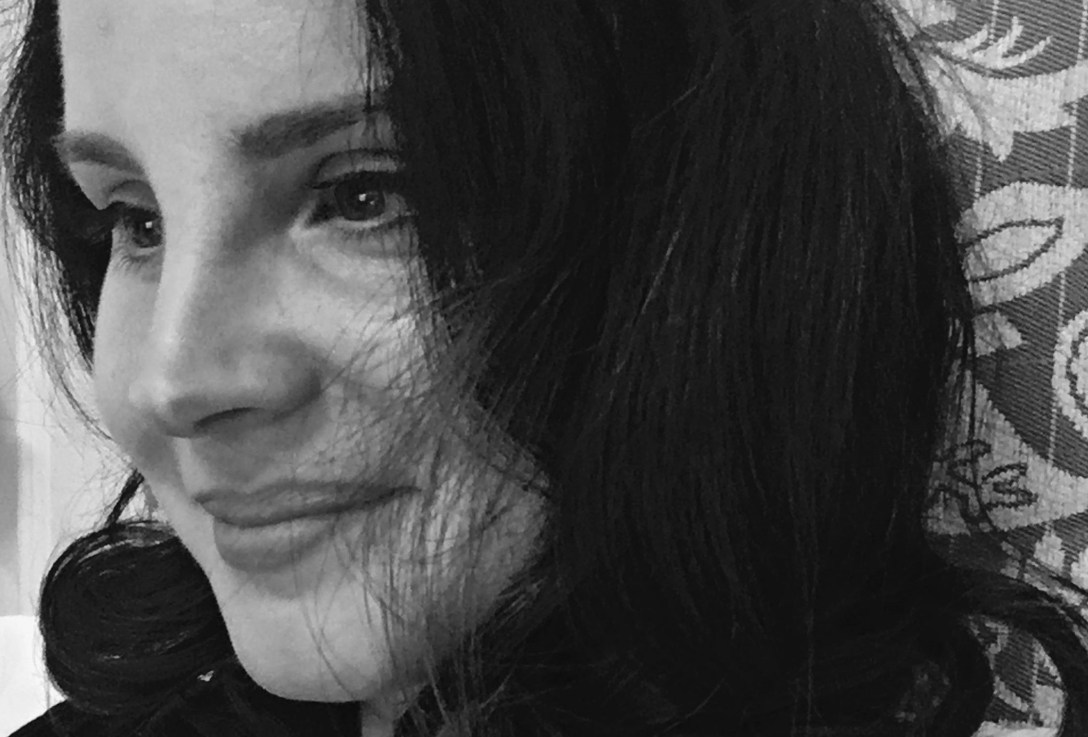
The closing song on Lana Del Ray's most recent album, Norman Fucking Rockwell, is titled Hope is a dangerous thing for a woman like me to have - but I have. At first glance, it seems too long a title, but in fact, not a single word can be taken out from it. In the minimalist production, Del Ray sings about being a modern American woman with (what she calls) a weak Constitution, reading a suicidal female poet, crying in a church basement and how her audience are perceiving her. It surveys a wide range of emotions and sensations beyond just melancholy and solitude that are featured in most of her old songs. At the end of her most recent and mature album, she concludes with a surprisingly weighty remark with much confession to make and much imagination to inspire.

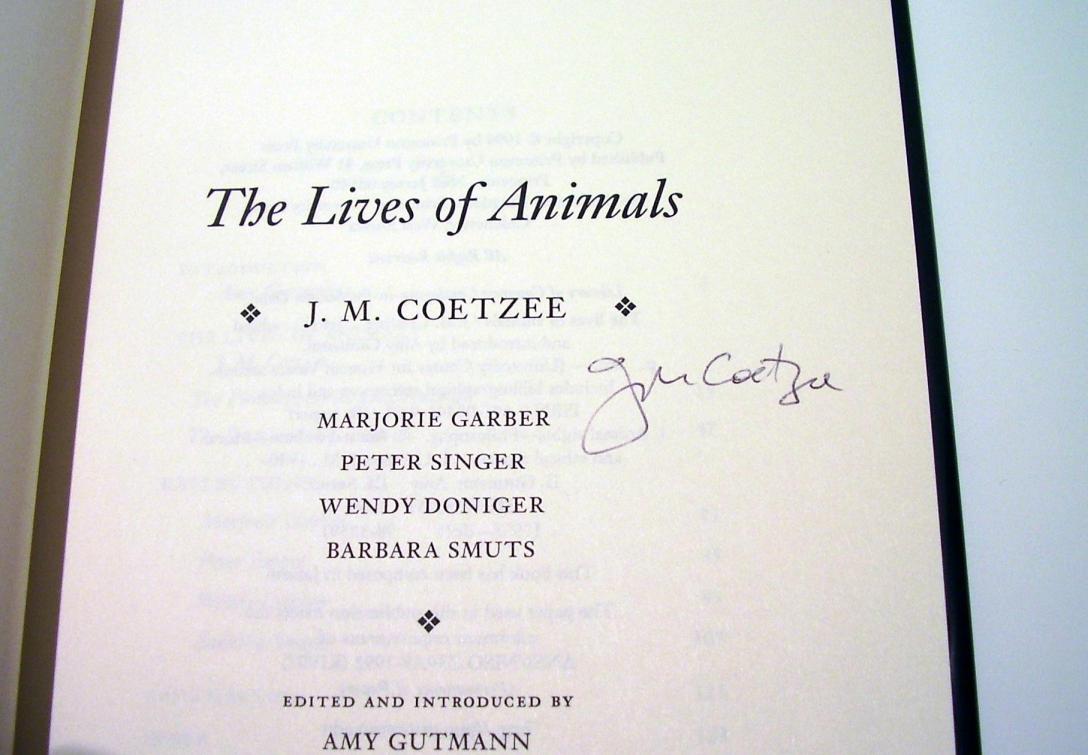
Lives of Animals, by J.M. Coetzee

In J.M. Coetzeeโ€™s lectures on animal ethics, the moral debate quickly evolves into a metaphysical one. Instead of limiting her discussion to whether it is ethical to kill animals, Elizabeth Costello, the protagonist in Coetzeeโ€™s fiction, challenges the status of reason and its moral significance. In Peter Singerโ€™s response to Coetzeeโ€™s lectures, Peter, the fictional… Continue reading Lives of Animals, by J.M. Coetzee

Camera and Moral Imagination

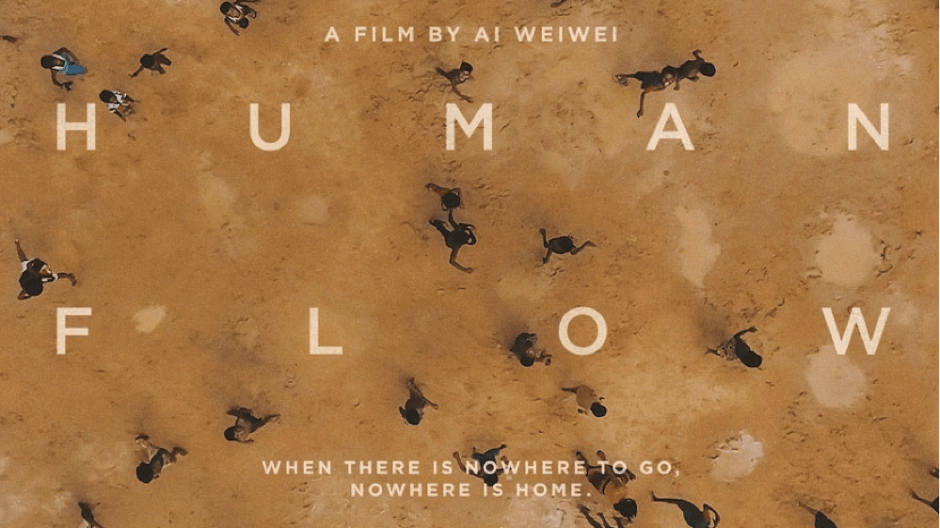
Documentary is equally guilty of manipulating reality and privileging certain images, opinions and narratives over others. Still, documentary is often associated with its moral language. The audience of a documentary (rather than, for example, a fictional horror) are more likely to feel compelled to act in a certain way and to ethically respond to a situation. How can one reconcile the implicit manipulation of reality and the strong moral imperative that seem to coexist in a documentary?

“White Left” and Surging Chinese Nationalism

It is certainly not easy to be white nowadays. On the Chinese version of the World Wide Web, โ€œWhite Leftโ€ is a term loosely referring to white people who hold left-wing political views. The phrase has acquired negative popularity on various Chinese social media such as Weibo and Zhihu, the Chinese equivalence of Twitter and Quora, since the European refugee crisis and the latest US election. Why do Chinese netizens hate left-wing politics so much? And in particular, why do they target at white people?

Feeling 4.0: Redefined Intimacy in the Fourth Industrial Revolution

On the whole, Her is a sharp, witty film depicting modern human relationship and what we have become without realising. It is as realistic as it is speculative. While in the past semester I have been mostly studying the economic and technical aspects of the fourth industrial revolution, I want to reflect on something personal in this essay. I want to reflect on how the fourth industrial revolution may change interpersonal relationships and how one perceives reality, love and intimacy. Like the film, my reflection can be speculative at times and make certain assumptions, and I do not claim that this reflection accurately predicts the future. I also do not claim to be pessimistic about the future. This reflection is at best the melancholic afterthought following the fourth industrial revolution, or what I call it, Feeling 4.0, after not just jobs, but also conventional conceptions of human existence and metaphysics are lost, for better or worse.ย 

Beyond Meaning: Film-Being and The Production of Presence

In this essay, I contrast Gumbrechtโ€™s insight with the cognitivist and Daniel Framptonโ€™s phenomenological views on cinematic experiences. Borrowing scenes from Terrance Malikโ€™s film The Tree of Life, I propose that cinematic expressions can create presence besides communicating stable, concrete meanings that mostly engage oneโ€™s mind. I side with Gumbrecht and argue that merely attributing or reconstructing the meaning of a film, cognitively or phenomenologically, limits the philosophising potential of the medium. After all, film intrinsically philosophises as a physical reality, or film-being.

On Complex Anachronies and Defied Anticipations in The Swimmer

I argue that the narratorโ€™s most valuable contribution is his selectivity of events and descriptive vocabularies in the two contrasting halves of the story. Such selectivity captures the nostalgic psychology of the drunk focaliser and keeps defying my expectations in the second half of the narrative. It also forces me to construct a different chronological order of events and modify my understanding of the narrative.

Godโ€™s Own Country (2017): An Earnest, Affecting Depiction of Humanity

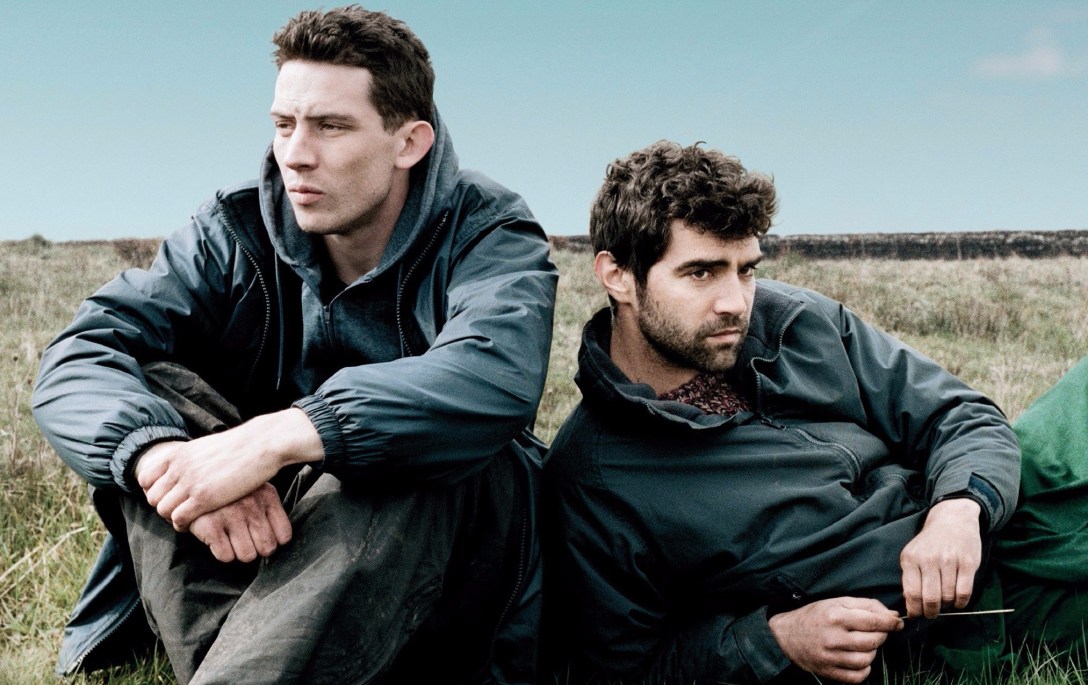
The 2017 British independent film God's Own Country is about the Yorkshire countryside, two homosexual men, plenty of sheep and a sense of nostalgia. Filled with the ambition of timelessness, the story, or a dreamy fairytale, does not happen in a specified time. Characters speak with a strong regional accent, and I struggle to catch every word. But that turns out to be a minor concern: the film does not demand its audience to catch every word; instead, it invites them for a visually intimate experience with two blessed young men falling in love, alongside an earnest, affecting depiction of humanity.