Cogito, ergo sum. René Descartes famously claims after meditating on the certainty of human knowledge. Upholding the rational, thinking self, Descartes pioneers modern rationalist philosophy which believes that reason is the most effective, if not the only method of acquiring knowledge. I confess that reason, with its promise of universality and objectivity, enticed me into studying philosophy in university. But as I encounter more complex situations in life, I increasingly find reason incapable of representing reality and guiding my moral decisions. Reason seems to detach me from everyday life and trivialise ambivalent moral situations that do not immediately make logical sense. I have been internally conflicted regarding rationalist philosophy and the superiority of reason in everyday life...
Category: Literary Studies
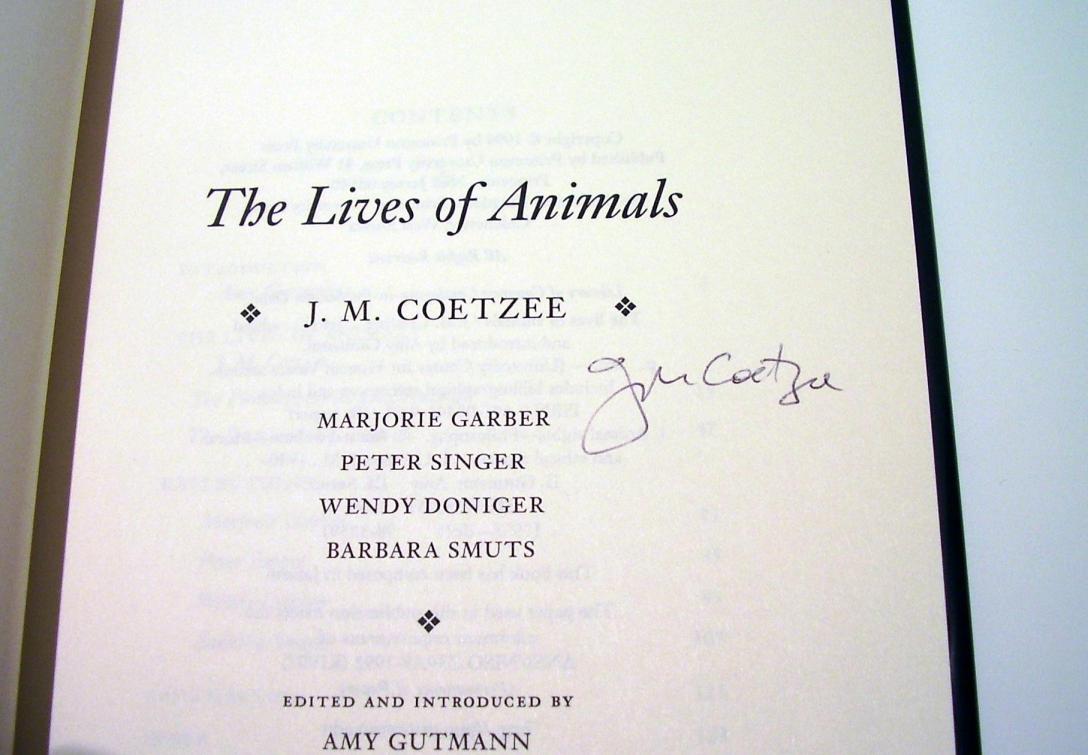
Lives of Animals, by J.M. Coetzee
In J.M. Coetzee’s lectures on animal ethics, the moral debate quickly evolves into a metaphysical one. Instead of limiting her discussion to whether it is ethical to kill animals, Elizabeth Costello, the protagonist in Coetzee’s fiction, challenges the status of reason and its moral significance. In Peter Singer’s response to Coetzee’s lectures, Peter, the fictional… Continue reading Lives of Animals, by J.M. Coetzee
On Complex Anachronies and Defied Anticipations in The Swimmer
I argue that the narrator’s most valuable contribution is his selectivity of events and descriptive vocabularies in the two contrasting halves of the story. Such selectivity captures the nostalgic psychology of the drunk focaliser and keeps defying my expectations in the second half of the narrative. It also forces me to construct a different chronological order of events and modify my understanding of the narrative.


